Kalevala: hearing the people behind the epic
The singers of White Sea Karelia, Elias Lönnrot’s work and an oral tradition with individual names and places.
Cultural feature · checked 24 September 2026 · 3 min read
Published 24 September 2026
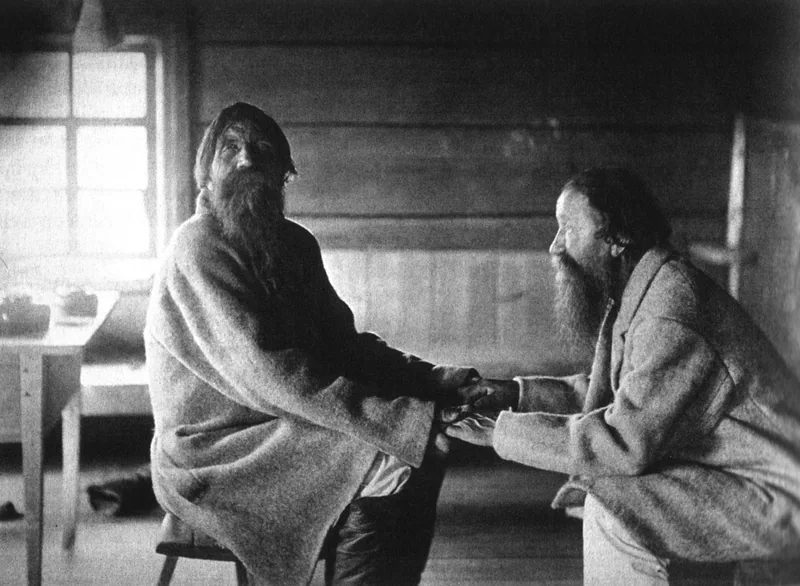

The familiar title Kalevala may first suggest a book about mythical heroes. Yet the route to that book passes through real encounters: one person sings while another listens and records. An oral tradition becomes more approachable when we notice the performers’ names alongside that of the collector.
This is a rewarding way into Karelia. It connects language, family memory, villages and literature. The Karelian-Finnish epic also reveals cultural relationships that cannot be contained within a single present-day national boundary.
Songs and a book have different histories
Elias Lönnrot, a Finnish folklore researcher, compiled Kalevala from collected songs. The 1835 version contained 32 runos; the version published in 1849 contained 50. These dates belong to editions of the book, not to the origins of every story within it.
Distinguish performance, recording and literary composition from the beginning. A book presents the collector’s work with the material; individual singers and variants stand behind it. One useful question for any edition is whether it explains its sources and how the text was prepared.
Arhippa Perttunen and Latvajärvi
Arhippa Perttunen, from Latvajärvi, known in Russian as Ladvozero, was one of Lönnrot’s most important sources. Karelia’s heritage centre dates their meeting to April 1834. Songs recorded from him became significant material for the epic, including stories concerning the Sampo.
Naming the performer changes how we read. We encounter a person who knew, remembered and transmitted songs, rather than an anonymous body of folk material. Begin a personal map of the tradition with three entries: the singer’s name, the place of recording and the collector’s name. Literary history acquires a human scale.
What to listen for in a runo
The Kizhi Museum explains Kalevala metre through a predominantly eight-syllable line, repeated initial sounds and poetic parallelism. Repetition can develop an idea as a following line returns to it in different words. The text becomes both sounding speech and a sequence of images.
Choose a short recording with an identified performer and a translation. Listen first for rhythm, then read the translation and return to the sound. You do not need to understand every word to notice pauses and recurring combinations. Translation and performance nevertheless remain different ways of encountering the work.
Where to go next
The Kizhi Museum’s Two Epics — Two Cultures material places Karelian runos alongside Russian byliny from Zaonezhye. This offers a useful next step: compare the questions raised by different oral traditions of one region. Keep their names and performers distinct instead of merging them into a general image of folklore.
When travelling, begin with museums and carefully sourced accounts of memorial places. The famous Lönnrot pine in Kalevala is associated with song collecting through local tradition, as the heritage centre makes clear. Save variant spellings of personal names: Russian, Karelian and Finnish forms may differ while referring to the same individual.
Sources & context
- Kizhi Museum — Kalevala editions and museum illustrations
- Karelia Heritage Centre — places connected with Kalevala
- Kizhi Museum — Two Epics, Two Cultures
- Finnish Museum of Photography — context of the rune singers’ portrait
A russia.direct editorial selection based on open sources. Checked 24 September 2026. Practical suggestions are a decision guide, not a promise of outcomes.
Editorial principles