Learning
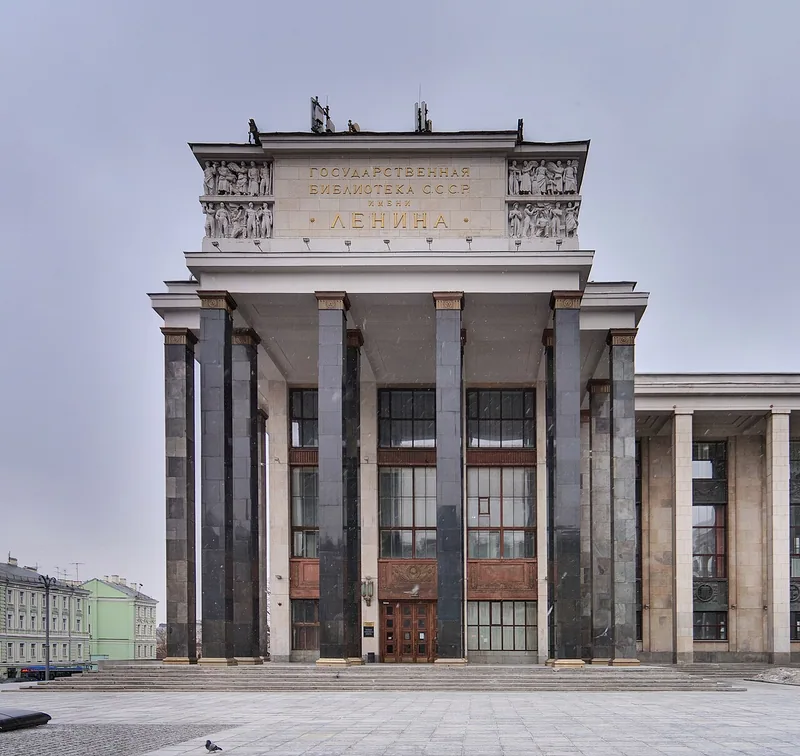
Russian State Library prepares to host the Atomic Dictation finale
The science quiz is scheduled for 28 September.
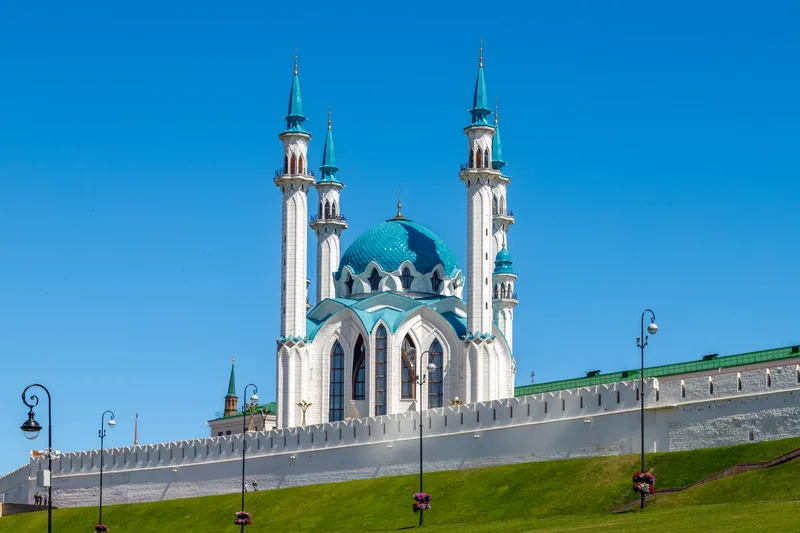
Architecture, living heritage and everyday traditions.
The science quiz is scheduled for 28 September.
An announced museum programme introduced visitors to the craft of conservator Alexander Tikhonov.
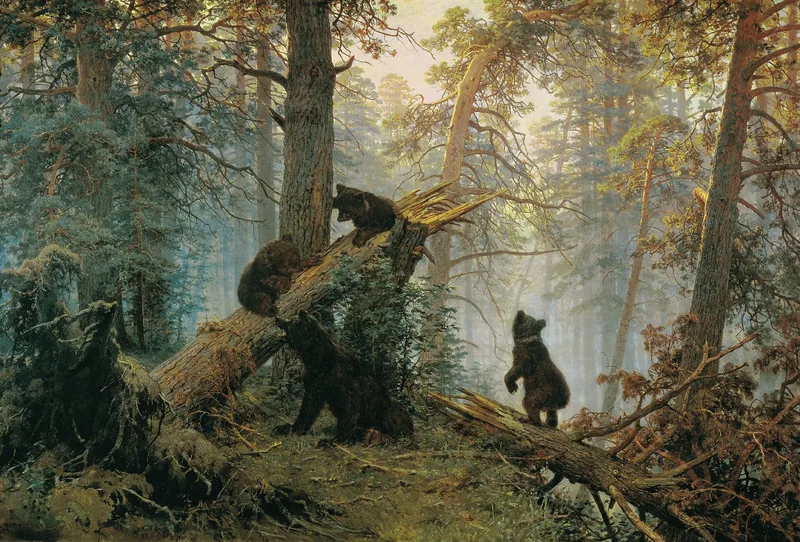
Look past the familiar bears to the light and depth of Morning in a Pine Forest.
A few ways to feel more confident without turning a country into a stereotype.
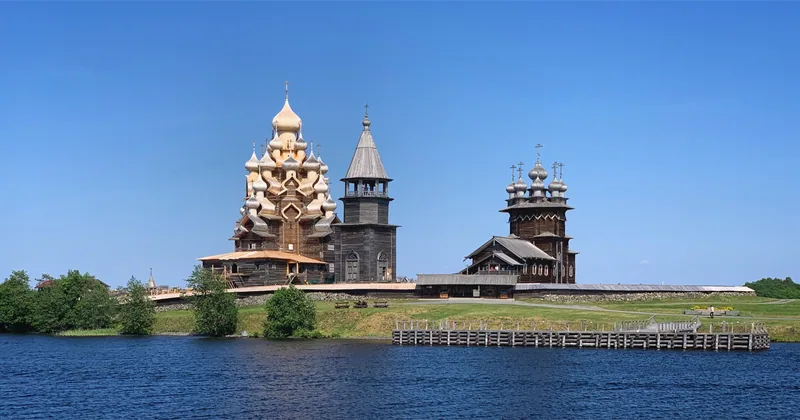
Behind the wooden churches stand generations of carpenters, researchers and conservators.
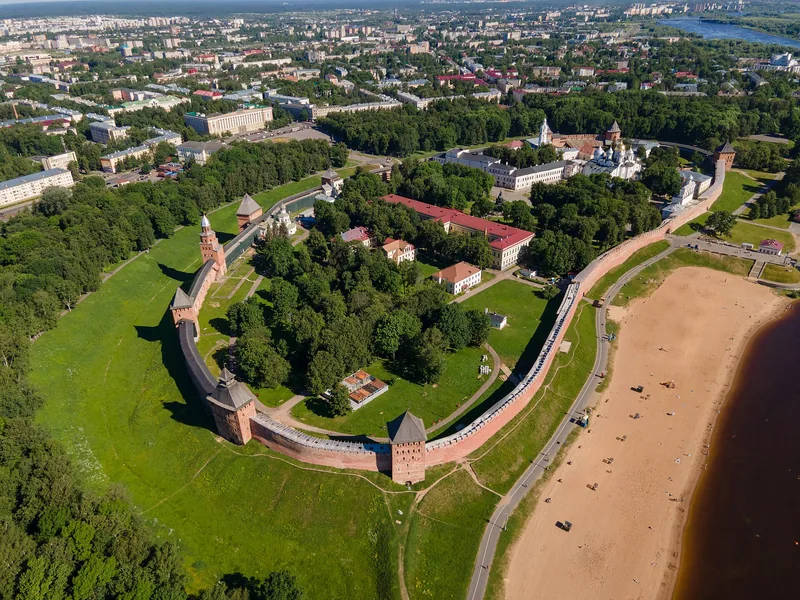
The kremlin, frescoes and birch-bark letters bring a medieval city into human focus.
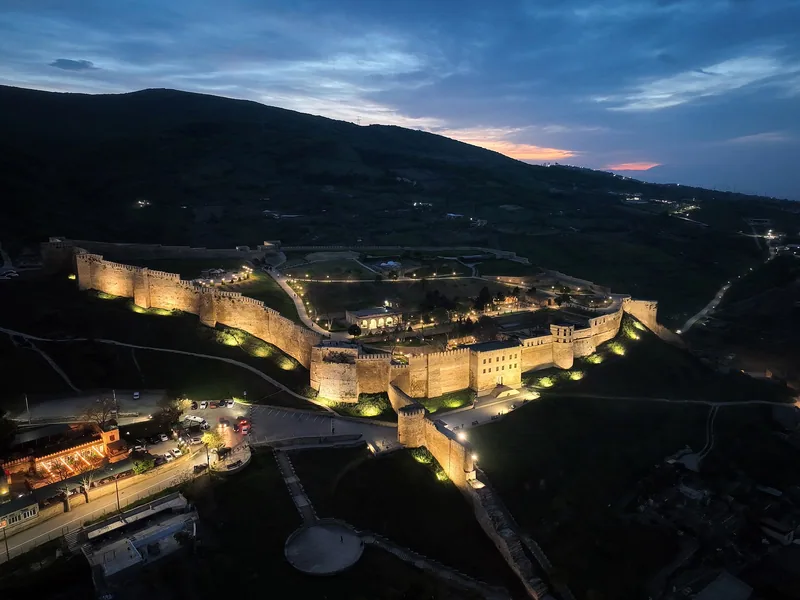
Naryn-Kala, the city walls and lived-in neighbourhoods offer three ways to understand the city.
A collector’s story and a practical way to see more in a painting than its familiar title.
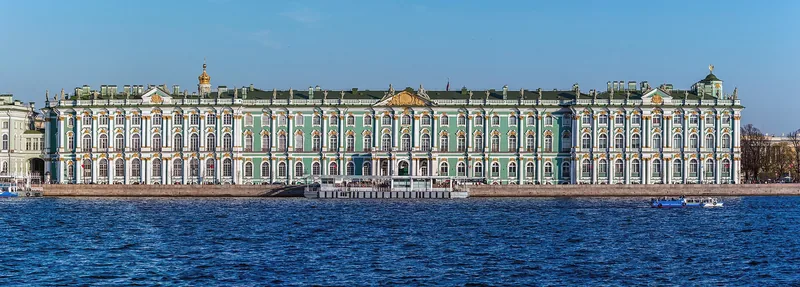
Palace, collection and close observation: an encounter that does not have to become a race.
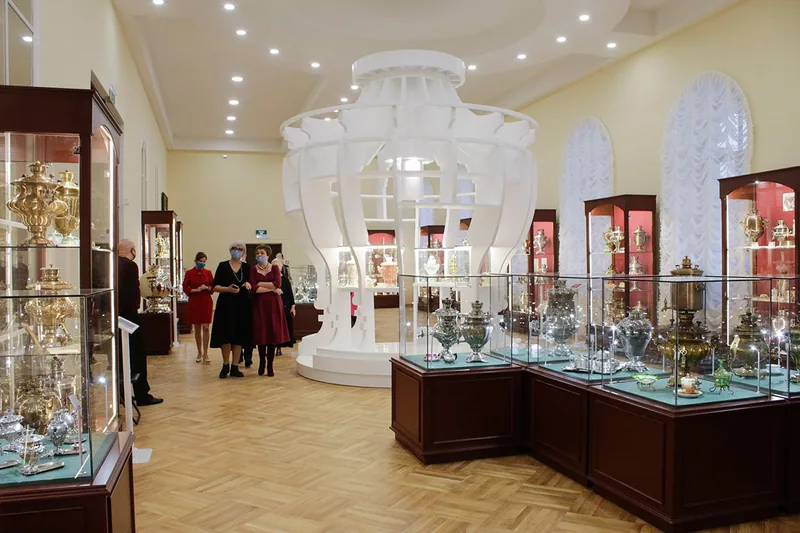
How an everyday object connects craftsmanship, family memory and time shared around a table.
First phrases, Cyrillic and a manageable study plan for new residents and Russian-speaking friends.
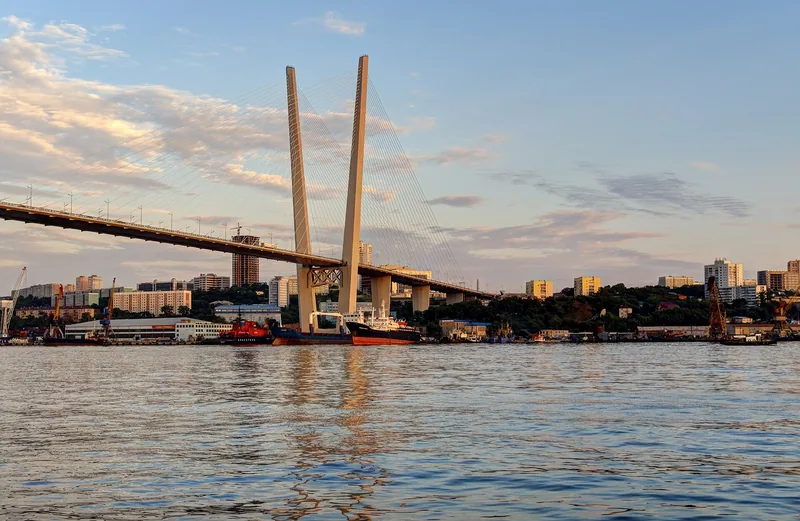
Harbour views, streets and museum stories introduce the Far Eastern city through places and people.
Explore languages, crafts and family traditions while keeping the individual person in view.
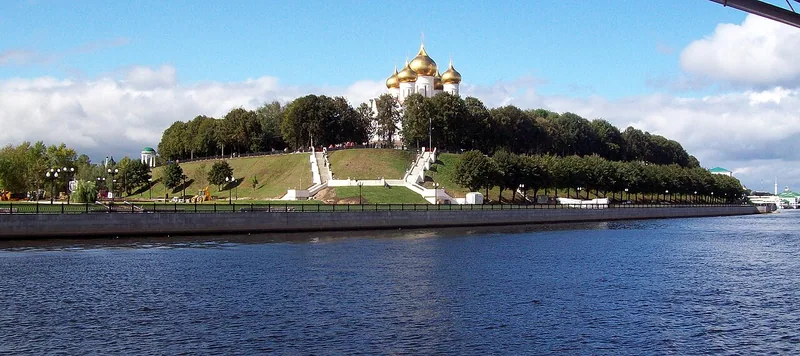
The Volga and Kotorosl, old churches and classical streets: discover the relationships that give the city its shape.
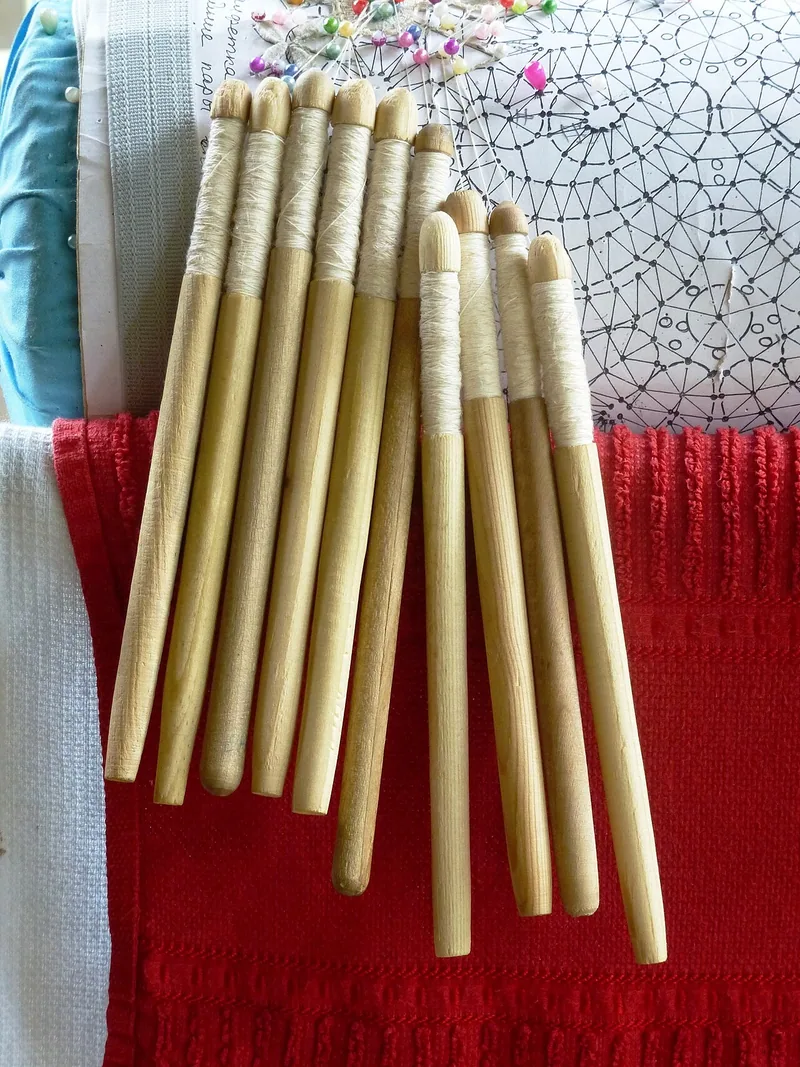
Bobbins, linen, patterns and their makers: look beyond the ornament to the person who created it.
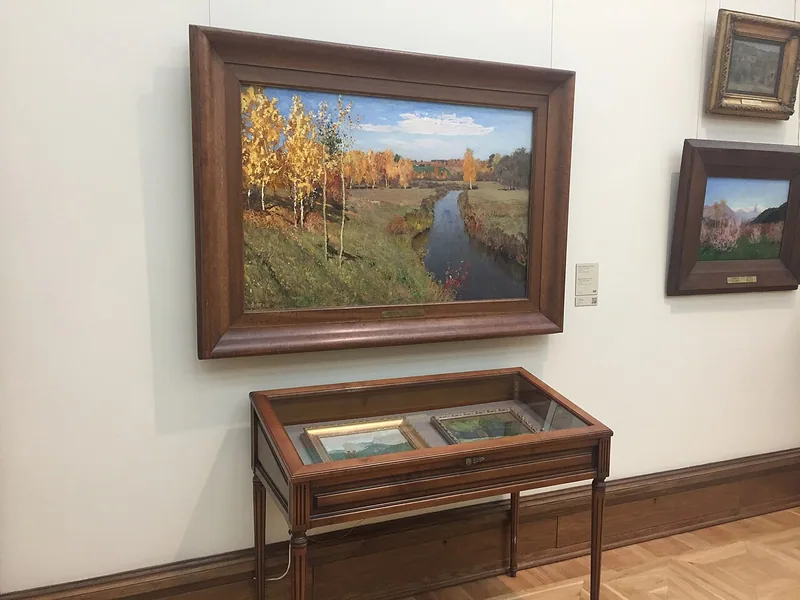
A closer look at the 1895 painting: moving water, bright birches and the difference between recognition and attention.
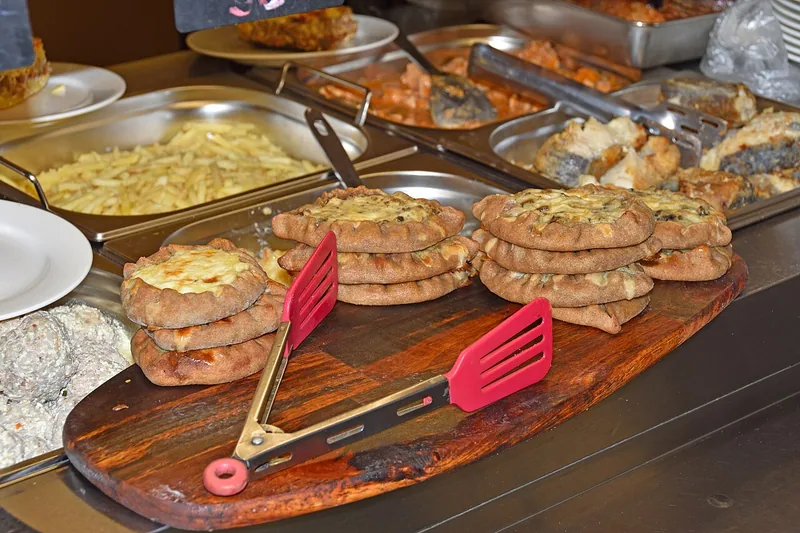
Family recipes, fieldwork and several languages reveal a region through the people who cook there.
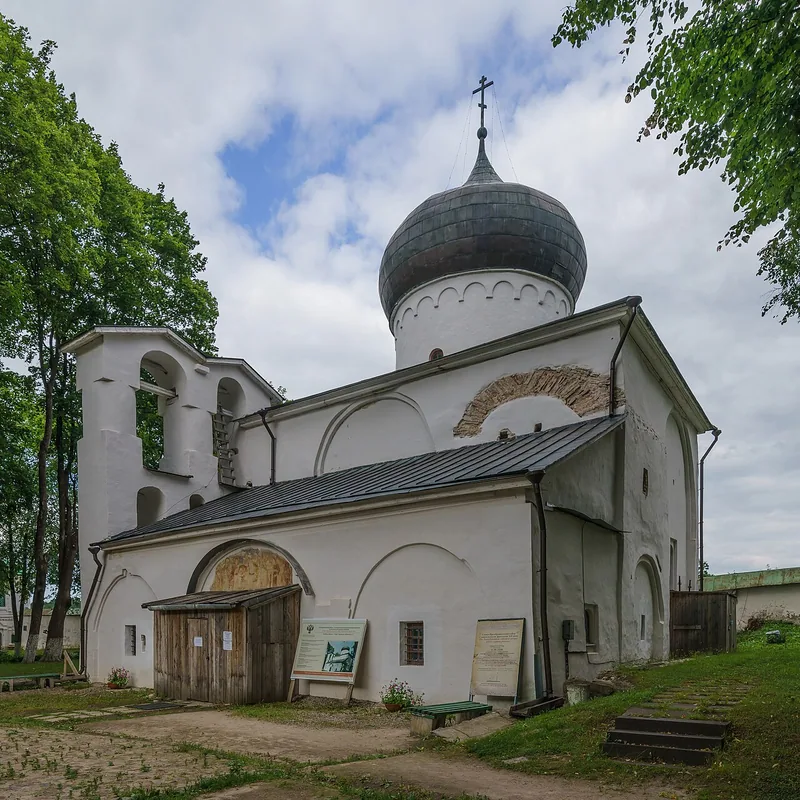
White walls, belfries and the Mirozhsky frescoes offer an introduction to Pskov’s architectural tradition.
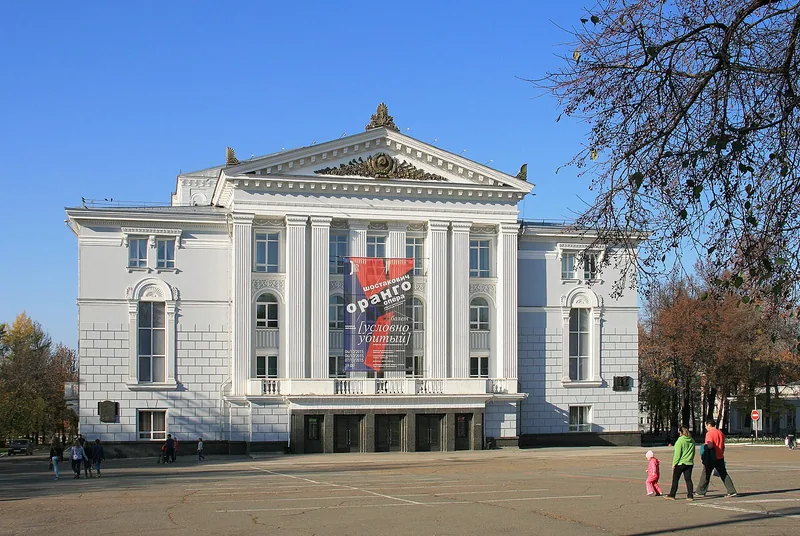
An opera house, traces of an older building and carved wooden figures offer three starting points for a cultural visit.
An old guidebook, manuscript collections and digital resources offer a way into the country’s reading culture from anywhere.
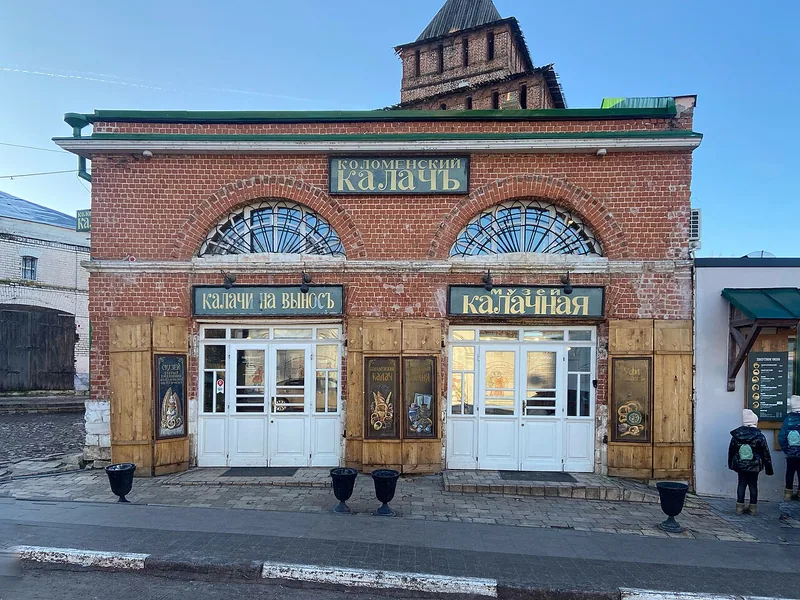
A working bakery offers a way into the history of bread, the shape of a kalach and the skills behind it.
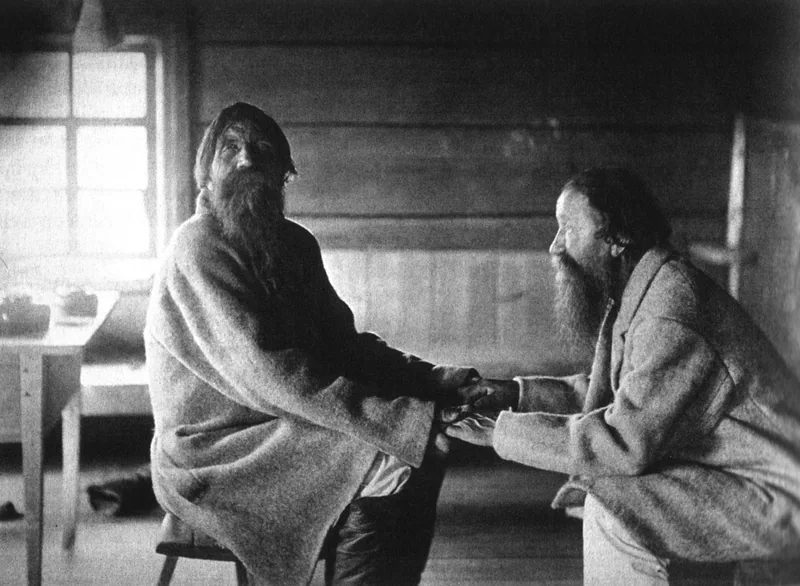
The singers of White Sea Karelia, Elias Lönnrot’s work and an oral tradition with individual names and places.
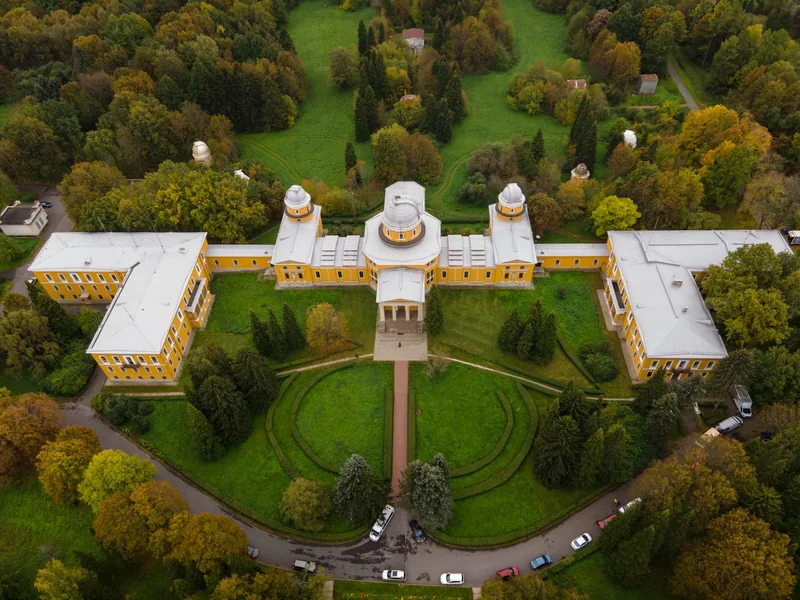
Star catalogues, glass photographic plates and public tours introduce the observatory as a place of sustained scientific observation.
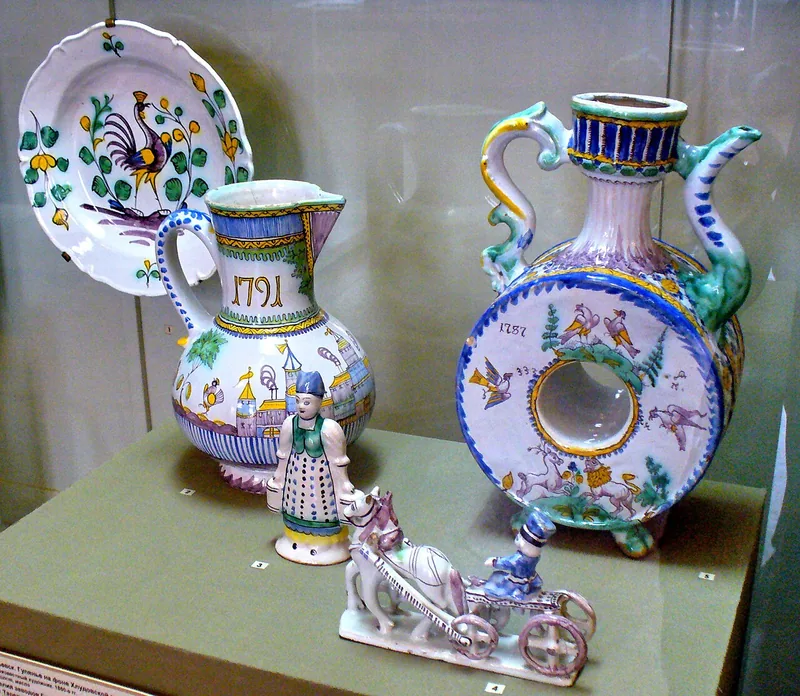
Historic vessels, the revival of painting and individual makers reveal a ceramic tradition that extends beyond blue and white.
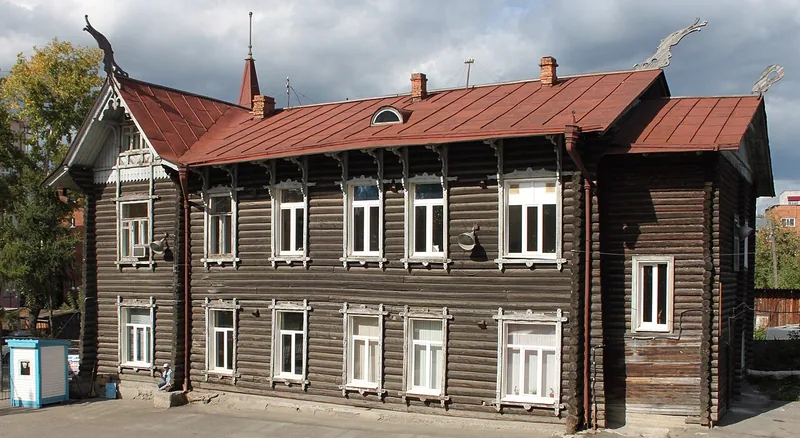
The House with Dragons, a museum in Kryachkov’s home and an address associated with writer Vyacheslav Shishkov offer three approaches to the city.