Long-distance trains: how the journey works
Platskart, kupe and SV, tickets and ID, luggage and good manners on board: what to know before your first trip.
Practical guide · checked 30 September 2026 · 5 min read
Published 30 September 2026
.jpg)
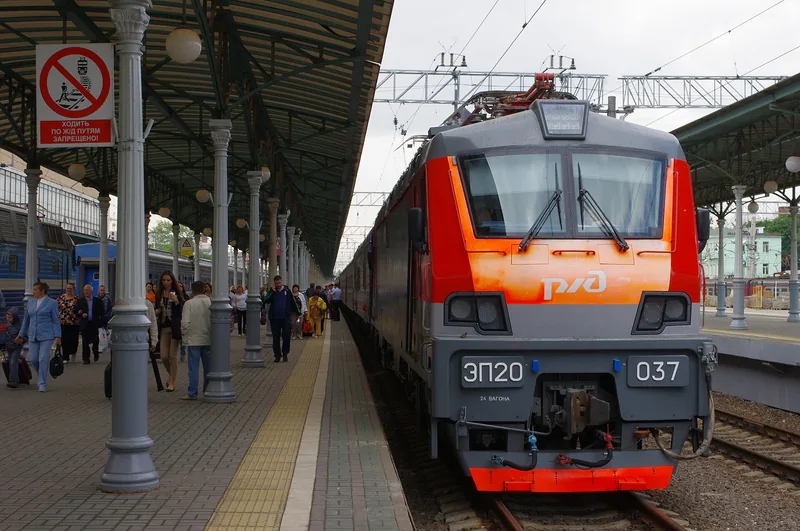
A long-distance train in Russia is not just transport but a small home on wheels: people sleep, eat, read and get to know their fellow passengers. For many journeys, especially overnight and multi-day ones, the train remains the most convenient and familiar way to travel from city to city. The scenery changes outside the window, and at stops you can step onto the platform and glimpse the towns along the route.
If it is your first trip, it helps to understand in advance how the cars differ, which documents you will need when boarding and how to behave in a shared space. Fares, timetables and the details of the rules change, so check anything specific on the carrier's website, rzd.ru, or in its official app. Below are the basics that will help you feel at ease in the car from the first hour of the journey.
Platskart, kupe and SV
A platskart car is open-plan: it usually has 54 berths in 9 bays of six, two lower, two upper and two side berths along the aisle. It is the most affordable option, and the whole journey is spent in view of your neighbours. The side berths run along the corridor, and some bays are next to the toilets, which is worth bearing in mind when choosing. On the other hand, platskart makes it easier to meet fellow travellers and feel the atmosphere of the road.
A kupe car has 32 or 36 berths divided into lockable four-berth compartments; lower berths usually have odd numbers and upper ones even. In an SV car, compartments are for two, and both berths are lower. There are other types too: seated cars for shorter journeys and premium cars. When choosing a berth, think about what suits you better: a lower one, easier for sitting by day, or an upper one, quieter for sleeping.
Tickets and ID
A long-distance ticket is issued against an identity document. The carriage rules approved by Russian Ministry of Transport Order No. 352 list acceptable documents, including a Russian internal passport, a foreign passport, and a birth certificate for children under 14. Foreign nationals should check with the carrier in advance which document to use when buying a ticket.
When boarding, a passenger must show the ticket and the document it was issued against; this also applies to e-tickets. The rules allow for small discrepancies, such as no more than one error in the surname, first name or patronymic, but it is safer to check your details carefully against the document when you buy. Keep your document to hand until you board so as not to hold up the queue at the car.
Luggage and bedding
Hand luggage and baggage are subject to limits on weight and size, and compliance may be checked when you board. The limits depend on the type of car and change over time, so check the current rules on the carrier's website before you travel. And simply as a courtesy, do not leave bags in the aisle or vestibule, where they get in your neighbours' way. It is easier to stow large items straight away and keep what you need on the way in a small bag.
Bed linen is provided at the passenger's request; the rules say that car attendants bring the sets to passengers' places. Whether bedding is included in the fare depends on the car and the tariff, and this is usually shown at purchase. It is handy to bring light clothes to change into and slippers. Water, simple food and a phone charger are also useful on a long trip.
Good manners on board
A car is a shared space, and the trip goes more pleasantly when everyone thinks a little about the others. Keep your voice down, especially in the evening and at night, use headphones, and do not hog the table if your neighbours also want to eat. By day, it is customary for the person on a lower berth to make room for the passenger from the upper one. If a fellow passenger is asleep, try not to switch on bright lights and pack your things quietly.
For questions about bedding, stops and order in the car, ask the attendant, the provodnik. Stops at stations can be short, so if you step out onto the platform, stay close and listen for announcements. Look for information on the rules and services of a particular train on the carrier's official website. A little consideration for your neighbours, and even a long journey will pass easily.
Sources & context
- ConsultantPlus — Ministry of Transport Order No. 352: boarding long-distance trains
- GARANT.RU — Ministry of Transport Order No. 352 of 5 September 2022
- FPC (Federal Passenger Company) — Car types (annual report)
- Tutu.ru — Types of railway cars
A russia.direct editorial selection based on open sources. Checked 30 September 2026. Practical suggestions are a decision guide, not a promise of outcomes.
Editorial principles