Night sky · Russia
Russian astronomer shares advice for watching the Orionids
The peak is expected on 21–22 October; bright moonlight will interfere.
russia.direct editorial team
RGS advice: 12 October; expected peak: 21–22 October 2026 · 1 min read
Published 13 October 2026 · Source dated 12 October 2026
RGS advice: 12 October; expected peak: 21–22 October 2026 · 1 min read
Published 13 October 2026 · Source dated 12 October 2026
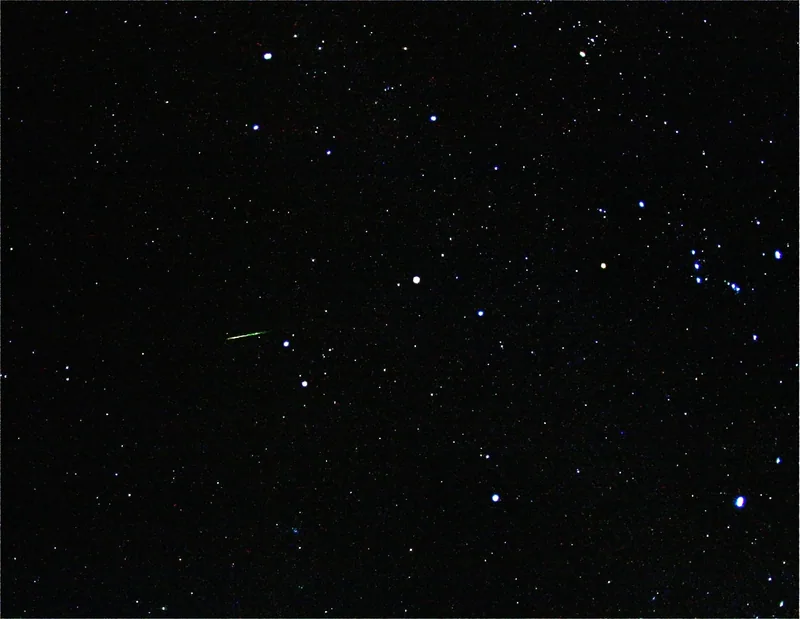

The Russian Geographical Society has shared Orionid advice from Kuban State University astronomer Alexander Ivanov. This annual shower comes from debris left by Halley’s Comet. Moonlight will make fainter meteors harder to see this year.
Ivanov recommends the hours before dawn; NASA likewise suggests watching after moonset. Find a dark location and let your eyes adjust. Check local moonset times and weather: the predicted peak guarantees neither visibility nor a particular meteor count.
Sources & context
- Russian Geographical Society — Alexander Ivanov’s advice, 12 October 2026
- NASA — October 2026 skywatching overview
A russia.direct editorial selection based on open sources. Checked 13 October 2026. Practical suggestions are a decision guide, not a promise of outcomes.
Editorial principles